That benefit does not disappear when someone becomes active. In many cases, effective treatment is what allows an athlete to train consistently in the first place.
Still, medications can influence how the body feels and responds during exercise. Understanding those effects can help athletes train more safely, recognize meaningful changes, and have better conversations with their healthcare team.
Medication effects are not always obvious
When training suddenly feels different, athletes often look first at workload, sleep, fueling, hydration, or fitness.
Those are reasonable places to start. Medication should also be part of the conversation—particularly when something recently changed.
Possible medication-related effects may include changes in:
- Energy or alertness
- Coordination or reaction time
- Heart rate or blood pressure
- Hydration and thirst
- Sweating and temperature regulation
- Gastrointestinal comfort
- Sleep quality
- Muscle sensations
- Pain perception
- Recovery between sessions
These effects vary widely. Not every medication within a category affects every person in the same way, and the condition being treated may also influence training.
The goal is not to blame every difficult workout on medication. It is to make medication one part of the complete assessment.
Hydration and heat tolerance
Exercise increases the body's need to regulate temperature and maintain fluid balance. Hot or humid environments increase that demand.
Some medications may affect thirst, sweating, circulation, fluid levels, electrolytes, or central temperature regulation. The CDC identifies several medication classes that may increase heat-related risk in certain patients, including some diuretics, anticholinergic agents, stimulants, antihistamines, cardiovascular medications, and psychotropic medications. Combinations can sometimes create additive risk. CDC heat and medication guidance
This does not mean an athlete should stop treatment when temperatures rise. Abruptly stopping a medication may create its own serious risks.
Instead, athletes can ask:
- Does anything I take affect sweating, thirst, or fluid balance?
- Should I monitor for particular symptoms?
- Does my training environment change the concern?
- What is my plan for unusually hot conditions?
- Are several products contributing similar effects?
A pharmacist or prescriber can help develop guidance based on the athlete's medication, condition, and training demands.
Alertness, coordination, and reaction time
Some medications can cause drowsiness, dizziness, slowed reaction time, or difficulty concentrating. Others may feel stimulating or interfere with sleep.
The consequences depend on the activity. Mild drowsiness may be inconvenient during a walk but more consequential during cycling, skiing, climbing, motorsport, or a technical training session.
Timing can matter, but athletes should not independently shift doses to avoid an unwanted training effect. Some medications must be taken consistently or at specific intervals. A pharmacist can determine whether an adjustment is appropriate and coordinate with the prescriber when necessary.
Heart rate and perceived effort
Athletes often use heart rate to guide intensity. Some medications can change how heart rate responds to exercise, while others may affect blood pressure or the sensation of exertion.
That can make familiar training zones less informative.
An athlete should not assume the medication is harmful or attempt to "push through" to reach a previous number. Instead, this may be a reason to discuss other ways of monitoring training intensity with the care team, such as perceived exertion, pace, power, symptoms, or a clinician-designed target.
Sleep and recovery
Sleep is one of the foundations of recovery, and medication can affect it in more than one direction.
A medication may:
- Make falling asleep easier or harder
- Cause daytime drowsiness
- Change the timing of alertness
- Lead to nighttime symptoms or bathroom trips
- Interact with caffeine, pre-workout products, or sleep supplements
The health condition itself may also disrupt sleep. That makes it important to review the complete situation rather than assuming a single product is responsible.
Athletes using separate products for daytime energy and nighttime sleep should make sure their full routine is reviewed together. Otherwise, one product may be used to counteract the effects of another without addressing the underlying issue.
Pain relief can change what an athlete feels
Temporary symptom relief can make movement more comfortable. It does not necessarily mean the underlying issue has recovered or that training load is appropriate.
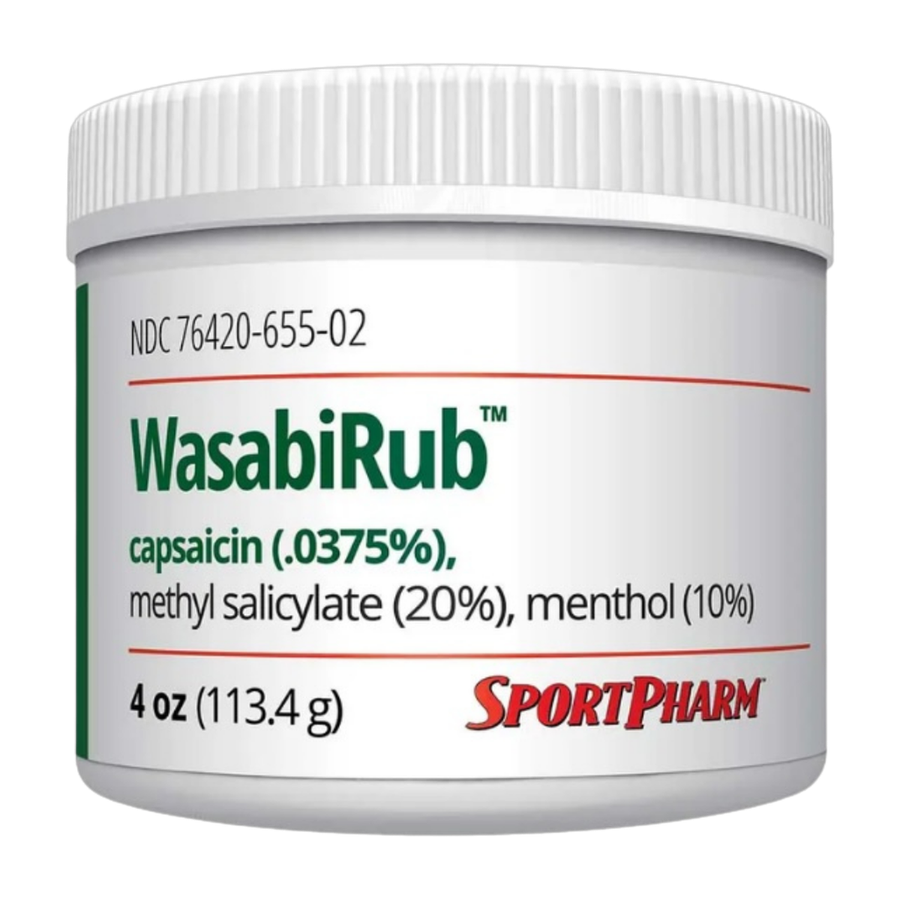
That distinction matters with prescription pain medications, over-the-counter products, and topical relief.
Athletes should pay attention if they increasingly rely on pain relief to begin, finish, or recover from training. Worsening symptoms, altered movement, weakness, instability, numbness, or repeatedly returning pain may warrant professional evaluation.
Medication can be part of a recovery plan. It should not become the only evidence that an athlete is ready to progress.
Competition considerations
Athletes subject to anti-doping rules have another question to answer: Is the medication permitted?
Status may differ in competition and out of competition. It may also depend on the route of administration, dose, sport, or applicable organization. The WADA Prohibited List is updated annually, so an old search or prior season's guidance should not be treated as permanent. WADA Prohibited List
Athletes under USADA jurisdiction can use Global DRO to check many prescription and over-the-counter medications. The exact product, active ingredient, country of purchase, and competition context matter. Global DRO
A permitted medication may still affect training. A medically appropriate medication may still require a Therapeutic Use Exemption. Performance effects and eligibility should therefore be considered separately.
What to do when training changes
If something feels different after starting a medication or changing a dose:
- Document what changed. Note the symptom, timing, training conditions, and when the medication was taken.
- Review the full routine. Include prescriptions, OTC medications, supplements, topical products, caffeine, and occasional-use items.
- Speak with a pharmacist or prescriber. Ask whether the change could be medication-related and whether monitoring or adjustment is appropriate.
- Check competition status when applicable. Use current resources for the athlete's governing organization.
- Do not stop treatment independently. Sudden discontinuation can be dangerous for some medications.
Seek urgent medical care for serious symptoms such as chest pain, trouble breathing, loss of consciousness, severe confusion, signs of a serious allergic reaction, or rapidly worsening symptoms.
Your medication should support your health and fit your real life
A medication review can help distinguish between an expected effect, a possible interaction, a training consideration, and something that needs further evaluation.
Bring it into one conversation
Bring your prescriptions, over-the-counter products, supplements, training concerns, and competition information into one conversation.
Request a Medication Review