
 It just started
 It keeps coming back
 I’m not sure if I should train
 I’m ready to get it checked
✓ More like expected soreness
- Shows up after a new or harder workout
- Improves with light movement and warm-up
- Feels general across worked muscles
- Gradually clears with rest and recovery
EVERYDAY ATHLETE
When something hurts, knowing what to do next isn’t always obvious.
Know what to notice—and choose a smarter next step for your body and your goals.
START HERE

KNOW WHEN TO PAUSE
Stop activity and seek appropriate care if something feels serious, is getting worse or changes how your body functions.
READ THE SIGNALS
These patterns provide context, not a diagnosis. If you are concerned, consult an appropriate healthcare professional.
A SIMPLE WAY FORWARD
Pause long enough to notice what is happening.
Ask what changed, what you feel and whether movement is affected.
Continue carefully, modify, stop for the day or seek guidance.
RECOVERY ISN’T QUITTING.
Smarter adjustments today can help you stay consistent tomorrow. Modification is a strategy—not a setback.
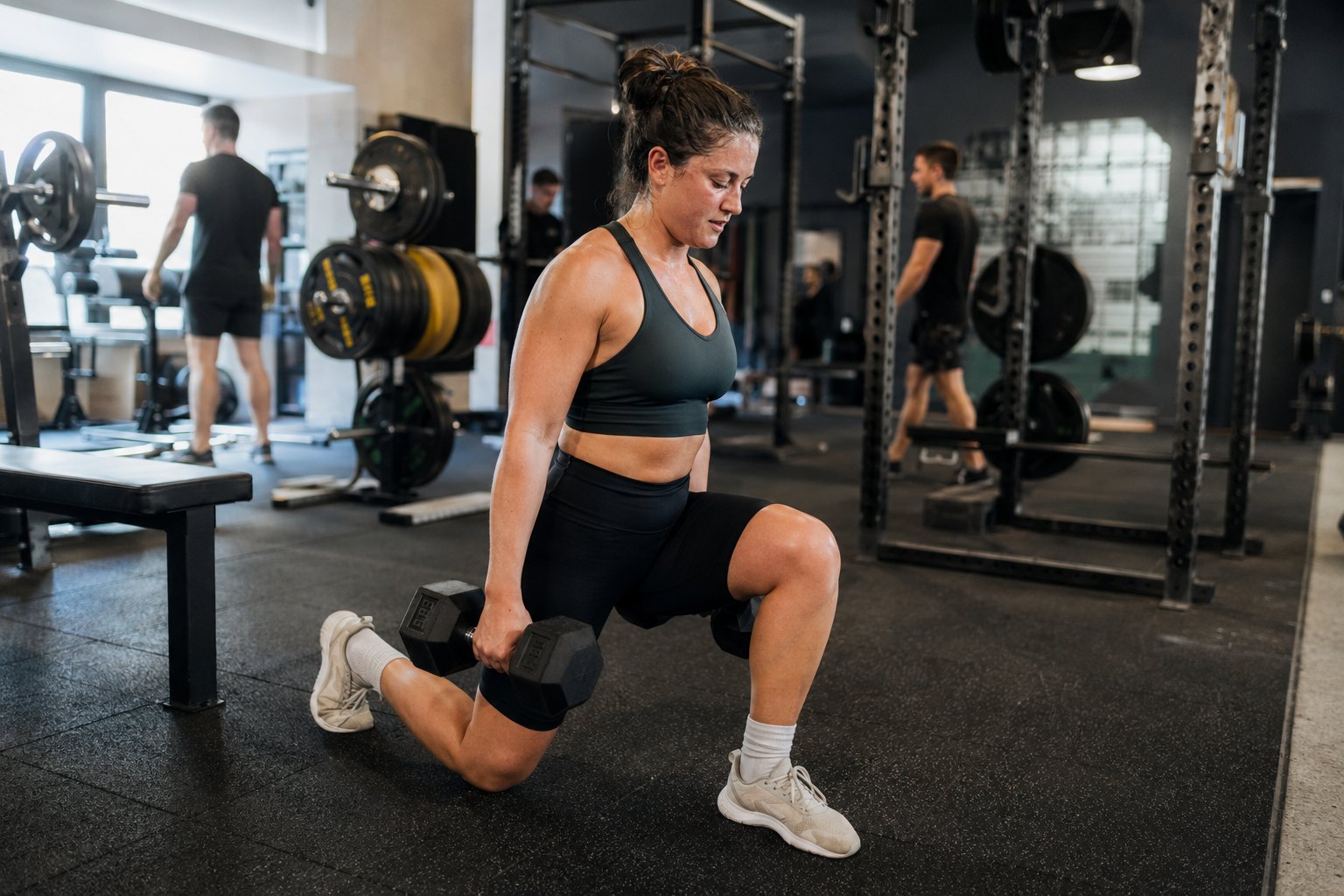
WHEN IT KEEPS COMING BACK
Track what you feel, what you do and what changes it. Patterns help you make better choices—and bring better information to a professional.
Download the Pain Pattern Tracker
YOUR NEXT STEP
These are common starting points—not a diagnosis. Tap any one to see what it’s good for.
A good place to start when you’re unsure where to go.
Usually not needed — most plans let you book directly.
A general assessment, questions about your health history, and referrals or imaging if they’re warranted.
Activity-related pain, injuries and return-to-training guidance.
Sometimes — some clinics take self-referrals, others want one from primary care.
An injury and movement assessment focused on your sport, plus a plan for training and return.
Movement, strength, mobility and rehabilitation.
Varies by state and plan — many allow direct access, some require a referral.
A movement evaluation, hands-on assessment, and an exercise program you progress over time.
On-the-ground injury evaluation and activity modification.
Not needed — if your team or school has one, go straight to them.
An on-site evaluation, immediate activity modifications, and help coordinating further care.
Medication and pain-relief guidance.
Never needed — ask a pharmacist any time, no appointment.
A conversation about what you’re taking, what you’re considering, and what fits your situation.
BEFORE YOU REACH FOR SOMETHING FOR THE PAIN
What works depends on where you hurt, what may be causing it, your medications and how you intend to use the product.
Explore Topicals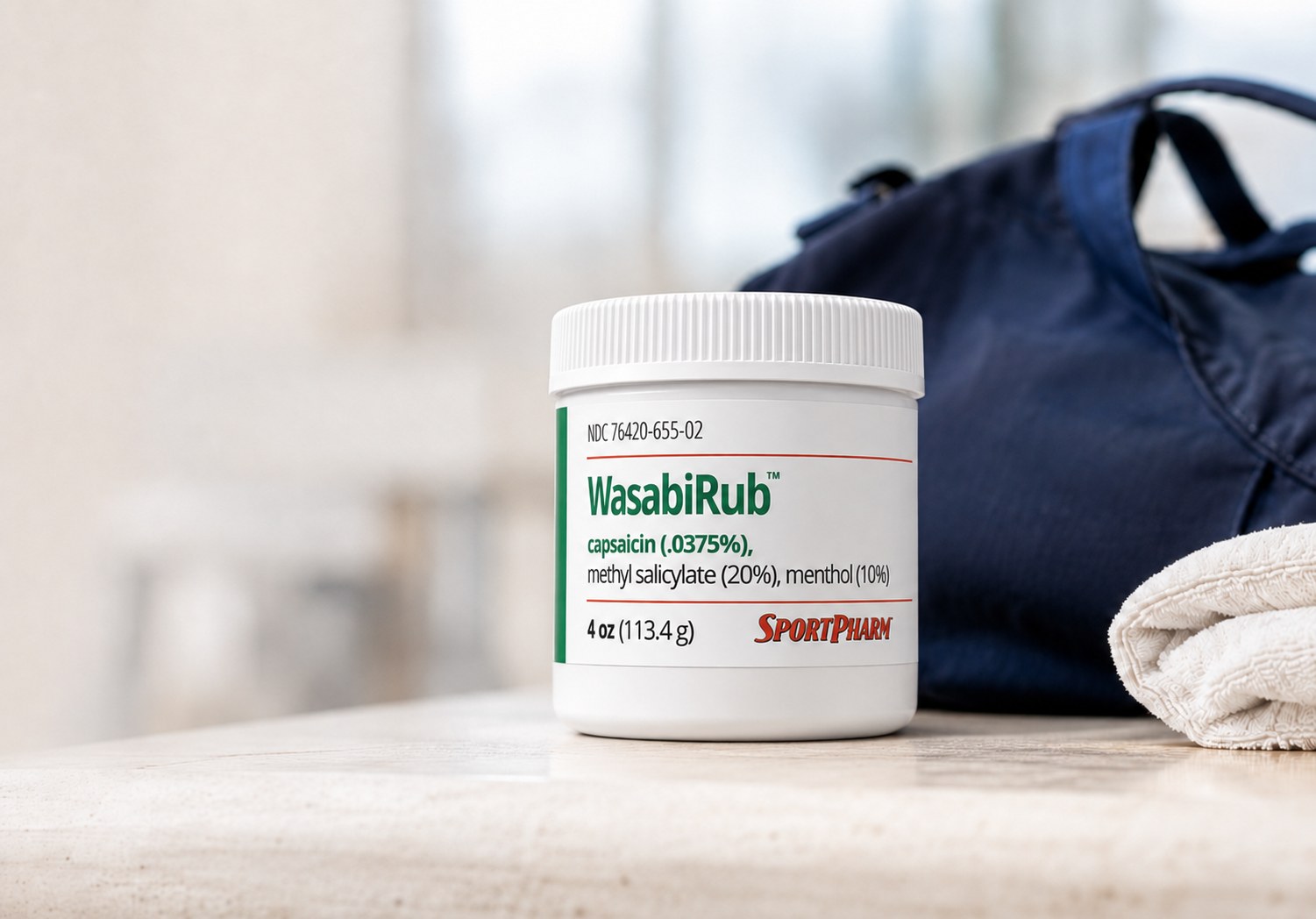
KNOW MORE. MOVE SMARTER.

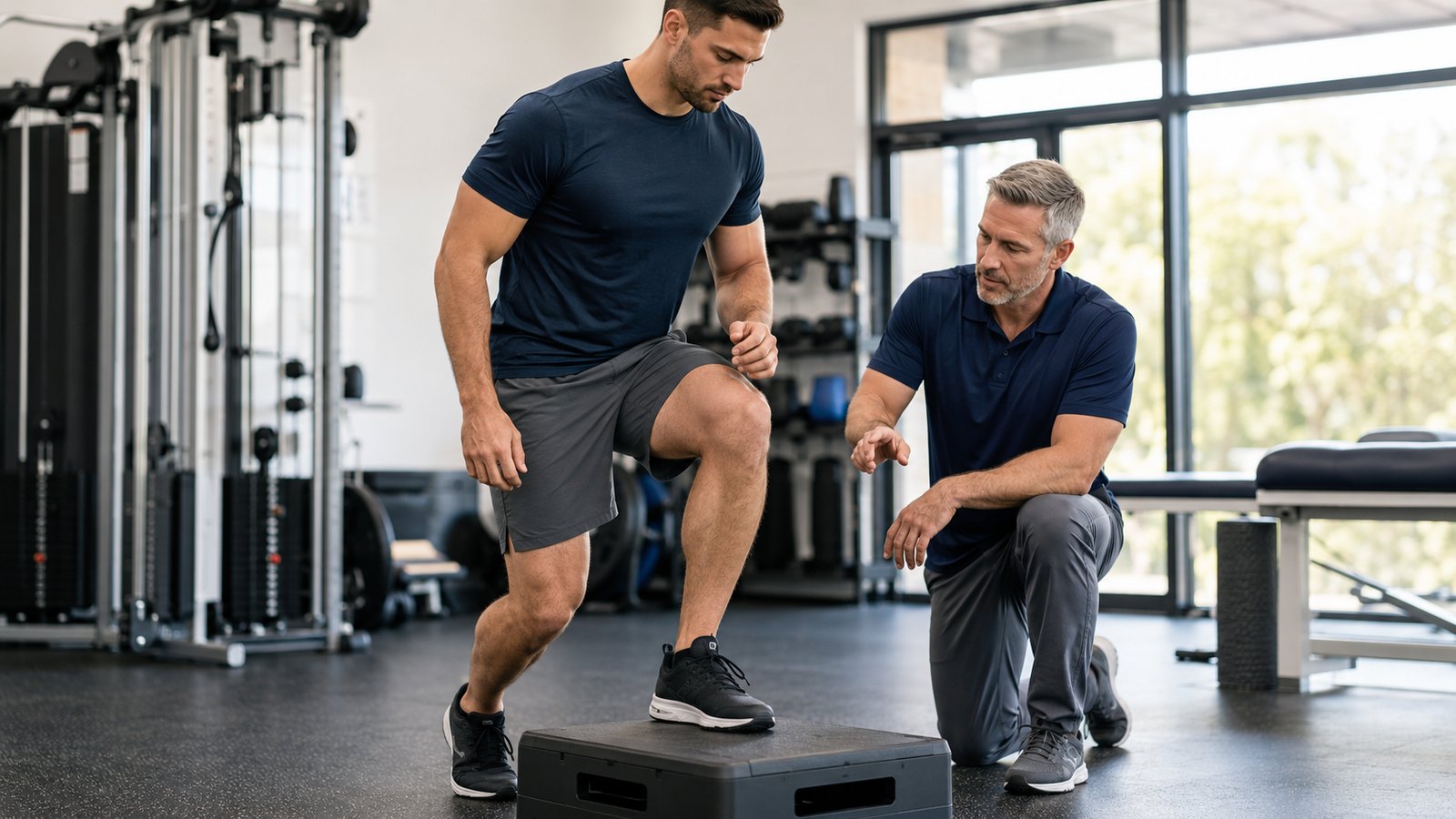
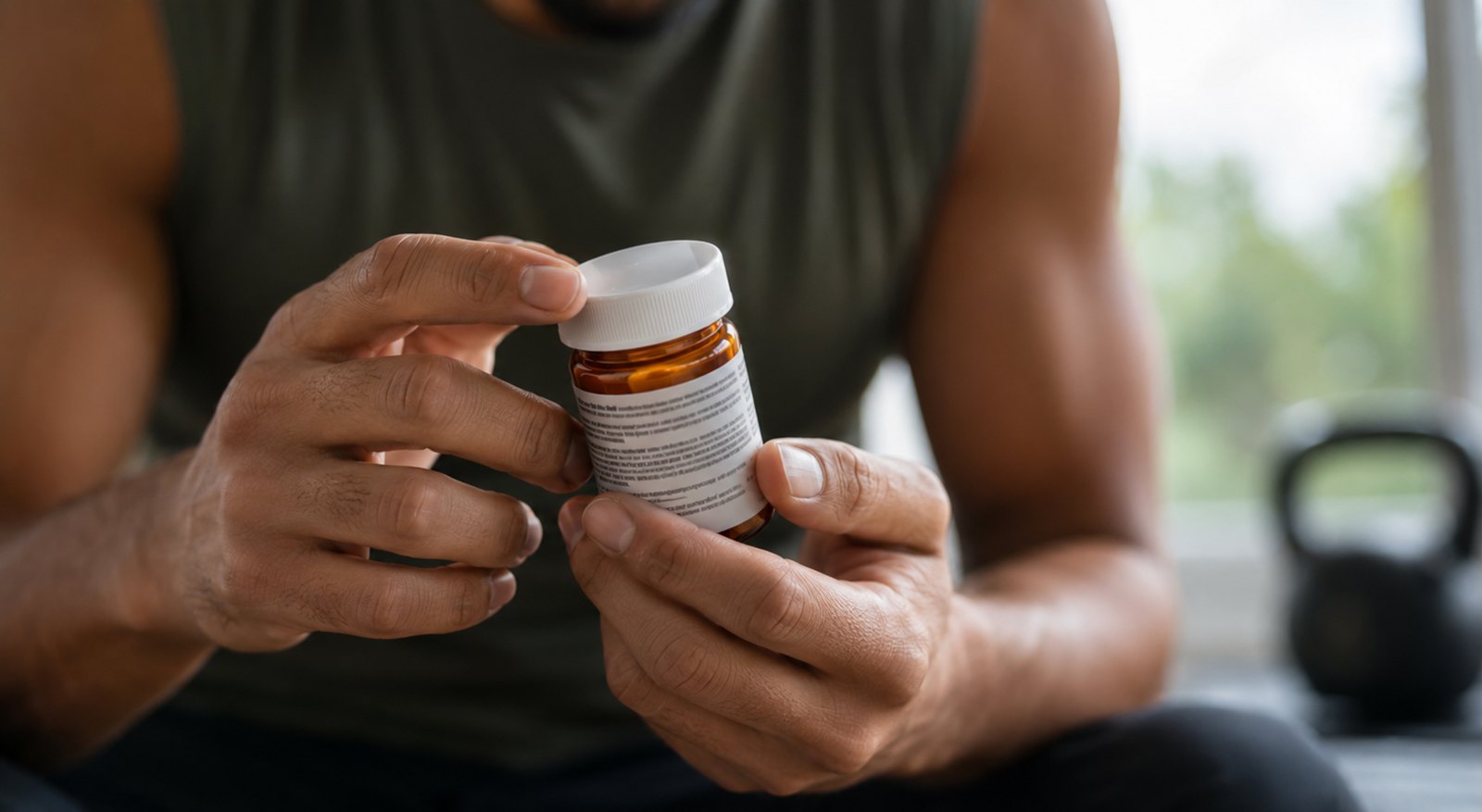
Start with what you’re noticing. We’ll help you find a smarter next step.


