Sports pharmacy brings those pieces together.
It examines how prescription medications, over-the-counter products, supplements, and pain-relief options fit within the demands of an active body. The goal is not simply to determine whether someone can take a product. It is to help athletes understand how everything they take may affect their health, training, recovery, travel, and competition responsibilities.
Pharmacy care through the lens of sport
Traditional pharmacy questions still matter:
- Is this the correct medication and dose?
- Could it interact with something else?
- What side effects should the patient know about?
- How and when should it be taken?
- Are there storage or administration requirements?
Sports pharmacy adds another layer:
- Could this affect hydration or heat tolerance?
- Could it influence sleep, alertness, coordination, or perceived exertion?
- Does the dosing schedule work around training and travel?
- Is the athlete combining products with overlapping ingredients?
- Is the medication prohibited in or out of competition?
- Could documentation or a Therapeutic Use Exemption be required?
- Does the athlete's full routine tell a different story than one product viewed alone?
A medication can be appropriate for treating a health condition and still require thoughtful planning around sport.
Medications can affect the athletic experience
Medications do not need to be "performance-enhancing" to affect performance.
Some may influence alertness, balance, heart rate, blood pressure, gastrointestinal comfort, sweating, thirst, or temperature regulation. Others may affect sleep or how an athlete feels during exertion.
These effects are highly individual. They can depend on the medication, dose, health condition, environment, training intensity, and other products being used.
Heat deserves particular attention. The CDC notes that certain medications can contribute to heat sensitivity by affecting thirst, sweating, fluid balance, blood pressure, or the body's ability to regulate temperature. The concern may increase when several medications with related effects are used together. Athletes should never stop a medication because of an upcoming hot workout, but they may benefit from discussing a personalized heat plan with a pharmacist or prescriber. CDC heat and medication guidance
Sports pharmacists look at the full routine
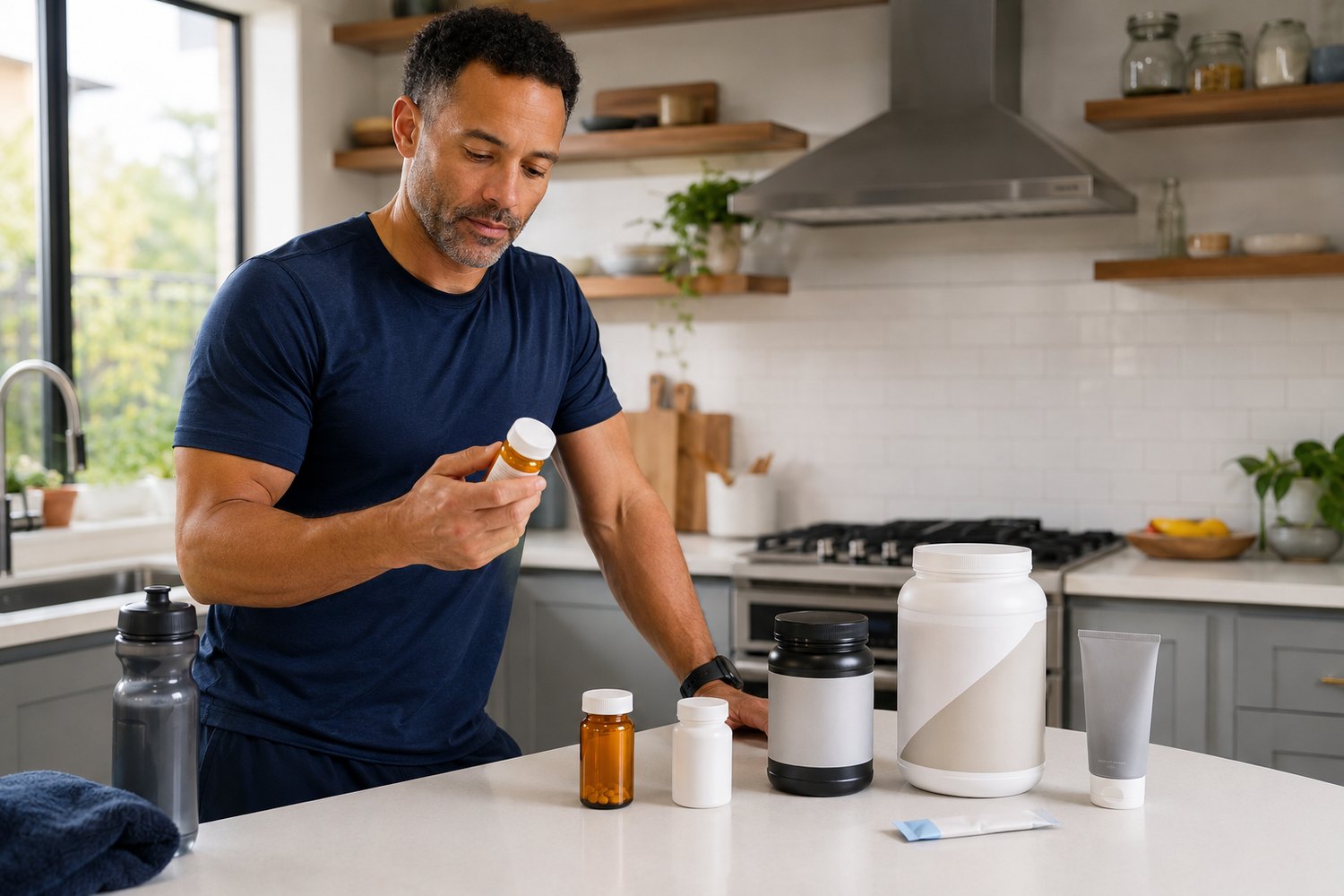
An athlete may receive prescriptions from several providers while also using allergy medicine, occasional pain relief, sleep products, vitamins, pre-workout formulas, protein products, and recovery supplements.
Each item may appear reasonable on its own. The complete routine can reveal questions that are easy to miss:
- Two products contain the same active ingredient.
- A supplement compounds a medication's stimulating or sedating effects.
- Several products affect hydration or blood pressure.
- A side effect is mistaken for poor conditioning or inadequate recovery.
- A medication schedule becomes difficult during travel.
- A product introduces an avoidable clean-sport concern.
A sports pharmacist can organize this information into one understandable picture and identify questions that should be discussed with the athlete's prescriber or broader care team.
Sports pharmacy and clean sport
Medication safety and competition eligibility are related, but they are not the same question.
Athletes subject to anti-doping rules must check whether medications are prohibited in competition, out of competition, or in specific sports. The World Anti-Doping Agency updates its Prohibited List annually; the current 2026 list took effect January 1, 2026. WADA 2026 Prohibited List
For athletes under USADA jurisdiction, Global DRO can be used to check the status of many prescription and over-the-counter medications. It does not evaluate dietary supplements. USADA medication resources
If a medically necessary treatment contains a prohibited substance or uses a prohibited method, the athlete may need to explore the Therapeutic Use Exemption process. Athletes should address this early rather than waiting until competition.
Sports pharmacists can help athletes identify what requires verification and what documentation may need to be gathered. They cannot guarantee that every product is universally permitted or replace the athlete's governing organization.
A connected member of the care team
Sports pharmacists do not replace physicians, athletic trainers, physical therapists, dietitians, or other professionals supporting an athlete.
They strengthen the pharmacy layer around that team.
Depending on the athlete's needs and the pharmacist's scope, that may include:
- Reviewing medications and supplements
- Identifying interactions or duplicate ingredients
- Explaining medication timing and administration
- Supporting travel and refill planning
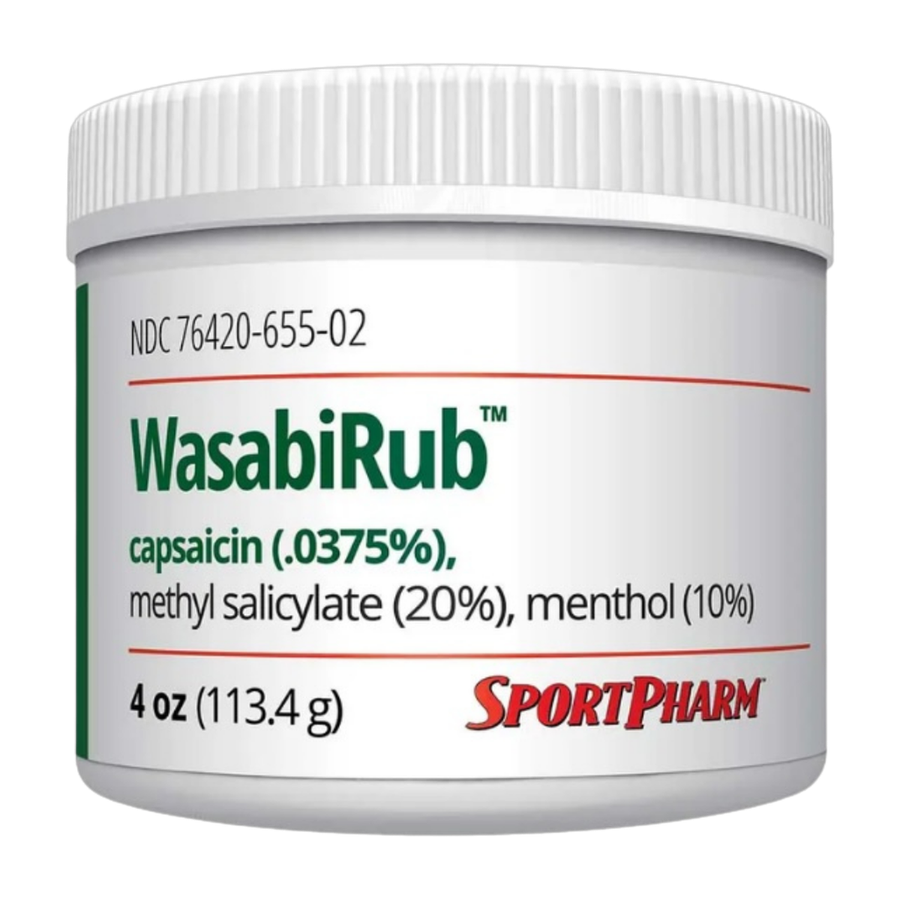
- Reviewing pain-relief options
- Identifying clean-sport questions
- Communicating with authorized members of the care team
- Helping the athlete prepare questions for a prescriber
The result is not another disconnected opinion. It is clearer coordination around what the athlete takes and why.
When should an athlete consult a sports pharmacist?
A review may be useful when:
- Starting or stopping a medication
- Adding a new supplement
- Managing several products at once
- Experiencing unexplained changes during training
- Preparing for hot-weather training
- Traveling with medications
- Returning from an injury
- Approaching a competition
- Unsure about an ingredient or anti-doping rule
- Receiving recommendations from several providers
Athletes should not stop, skip, or modify prescribed treatment without consulting the appropriate healthcare professional.
Know how your routine works together
Medication is part of an athlete's health—and health is part of performance.
Know how your routine works together
SportPharm can help organize your complete routine, identify important questions, and determine the appropriate next step.
Request a Medication & Supplement Review