A sore knee after a long run, a swollen ankle after practice, or a headache before competition can make an over-the-counter pain reliever feel like a simple decision. Nonsteroidal anti-inflammatory drugs—better known as NSAIDs—are widely available and familiar.
But familiar does not mean risk-free.
NSAIDs can be useful for managing certain types of pain and inflammation. They can also affect the stomach, kidneys, cardiovascular system, and other medications an athlete may be taking. Understanding what they do—and what they do not do—helps athletes make more informed decisions about pain relief.
What are NSAIDs?
NSAIDs are medications that help reduce pain, inflammation, and fever.
Common examples include:
- Ibuprofen
- Naproxen
- Aspirin
- Diclofenac
- Celecoxib
- Meloxicam
- Indomethacin
Some are available without a prescription. Others require one. NSAIDs may come as tablets, capsules, liquids, gels, creams, or patches.
Acetaminophen is also commonly used for pain and fever, but it is not an NSAID. It does not have the same anti-inflammatory effects or the same risk profile.
How do NSAIDs work?
When tissue is injured or irritated, the body produces chemicals called prostaglandins. These contribute to inflammation, swelling, pain, and fever.
NSAIDs reduce the production of prostaglandins by blocking enzymes known as cyclooxygenase, or COX enzymes. This can decrease inflammation and make an injured or irritated area feel less painful.
That relief can be valuable. It is important to understand what it represents.
NSAIDs can reduce symptoms. They do not repair damaged tissue, identify the cause of pain, or determine whether an athlete is ready to return to full activity.
Relief is not the same as recovery
When pain decreases, movement may feel easier. That can create the impression that an injury or irritated area has recovered.
The biological issue may still be present.
Less pain does not necessarily mean:
- The tissue has healed
- Swelling or inflammation has resolved completely
- Full strength or mobility has returned
- Training load is appropriate
- The athlete can safely return to competition
- Professional evaluation is unnecessary
This does not make symptom relief inherently harmful. It means pain relief should be interpreted within the larger recovery picture.
If an athlete needs medication to repeatedly begin, complete, or recover from training, that pattern deserves attention.
Why athletes should think about hydration
The kidneys help regulate fluid balance and filter waste from the blood. Prostaglandins help maintain blood flow to the kidneys, particularly when the body is under stress.
Because NSAIDs reduce prostaglandin production, they can decrease kidney blood flow in susceptible people. The concern may become more important when an athlete is dehydrated, training in the heat, participating in prolonged endurance activity, or experiencing vomiting or diarrhea.
An athlete who takes an NSAID before a long event is not protected from pain-related injury simply because discomfort becomes less noticeable. The combination of prolonged exertion, fluid loss, heat, and medication may create additional physiological stress.
Athletes should ask a pharmacist or healthcare professional before using NSAIDs around endurance events or when dehydration is a possibility.
Stomach irritation and bleeding
Prostaglandins also help protect the lining of the stomach and digestive tract. Reducing them can leave the stomach more vulnerable to irritation.
NSAIDs can cause:
- Indigestion
- Nausea
- Stomach discomfort
- Ulcers
- Gastrointestinal bleeding
Serious bleeding or ulceration can develop without obvious early symptoms. Risk may be higher with larger doses, longer use, older age, a history of ulcers or bleeding, heavy alcohol use, or certain medication combinations.
Taking an NSAID with food may reduce stomach discomfort for some people, but it does not eliminate the possibility of ulcers or bleeding.
Seek prompt medical attention for warning signs such as vomiting blood, material that resembles coffee grounds, black or tarry stools, faintness, or severe stomach pain.
Cardiovascular risk
Non-aspirin NSAIDs can increase the risk of heart attack or stroke. These events may occur without warning, and risk can begin early in treatment. It may increase with higher doses or longer use.
The FDA advises using the lowest effective amount for the shortest necessary period and reading the Drug Facts label carefully. People with cardiovascular disease or risk factors should discuss NSAID use with a healthcare professional. FDA-supported ibuprofen safety information
Chest pain, shortness of breath, sudden weakness on one side, or slurred speech require emergency medical attention.
Combining products can create accidental duplication
Taking more than one NSAID does not necessarily provide better relief. It can increase the likelihood of unwanted effects.
Duplication can happen when an athlete takes:
- Ibuprofen and naproxen together
- A prescription NSAID plus an OTC NSAID
- A pain reliever plus a multi-symptom cold product
- Aspirin plus another NSAID
- An oral NSAID plus another product without realizing it contains an NSAID
Brand names can make related medications appear different. Athletes should check the active-ingredient section of every label rather than relying only on the product name.
A pharmacist should review the full routine when an athlete uses prescription medications, OTC pain relief, supplements, and topical products.
Important medication interactions
NSAIDs may interact with medications including:
- Blood thinners and antiplatelet drugs
- Corticosteroids
- Certain antidepressants
- Blood-pressure medications
- Diuretics
- Lithium
- Methotrexate
- Other NSAIDs
This is not a complete list. Health conditions involving the kidneys, heart, blood pressure, stomach, or bleeding may also affect whether an NSAID is appropriate.
Pregnant people should seek professional guidance before using NSAIDs. FDA guidance warns against NSAID use at 20 weeks of pregnancy or later unless specifically advised by a healthcare professional.
What about topical NSAIDs?
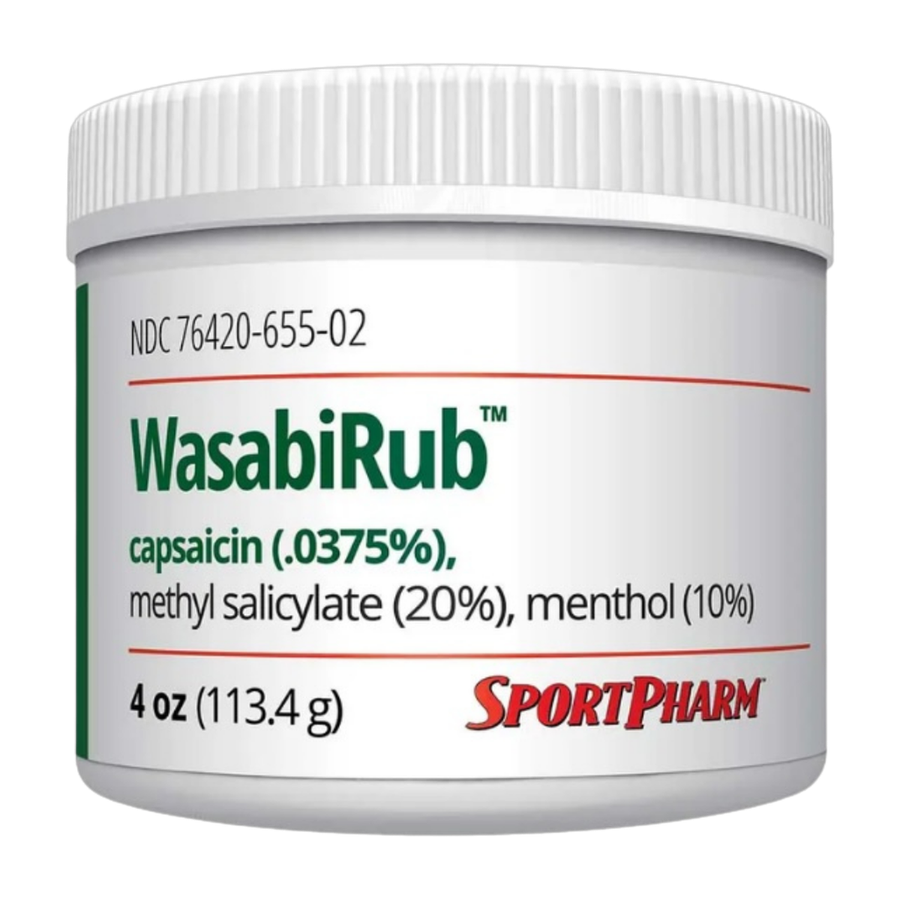
Some NSAIDs are available as gels, creams, or patches applied directly to the painful area.
Topical delivery may reduce whole-body exposure compared with an oral NSAID, but it does not make the product risk-free. The medication can still be absorbed, interact with other treatments, or be inappropriate for certain people.
Athletes should follow application instructions and avoid using more than directed. They should also include topical medications when sharing their medication list with a pharmacist.
When NSAID use deserves a closer look
Consider talking with a pharmacist or healthcare professional when:
- You need an NSAID for more than a few days
- Pain repeatedly returns
- You are taking it before most practices or events
- You need progressively more relief
- You use more than one pain-relief product
- You have kidney, heart, blood-pressure, stomach, or bleeding concerns
- You take other prescription medications
- You are preparing for prolonged exercise or extreme heat
- Pain is changing your movement or performance
- You are unsure whether the medication is permitted in competition
Do not take more than the label directs or combine NSAIDs unless a healthcare professional specifically recommends it.
When pain needs evaluation
Pain relief should not delay care when symptoms suggest something more serious.
Seek appropriate professional evaluation for:
- Inability to bear weight or use the affected area
- Major or rapidly increasing swelling
- An obvious deformity
- New numbness, tingling, or weakness
- A joint that repeatedly gives way
- Severe or worsening pain
- Pain following a significant head impact
- Symptoms that continue returning
- Pain that is increasingly difficult to control
Medication can reduce discomfort while the underlying problem continues. Persistent pain is information—not simply an obstacle to silence.
Use pain relief as one part of the plan
NSAIDs can be effective medications when used for the right reason, in the right person, and according to appropriate directions.
The better question is not simply, “Will this make the pain go away?”
It is:
What is causing the pain, what does my body need, and where does medication fit within the complete plan?
Not sure which pain-relief option makes sense?
SportPharm can help review oral medications, topical products, supplements, health considerations, and the demands of your training routine.
Compare My Pain-Relief Options