Summer brings increased activity, longer days, and more time outdoors, but also adds stress to the body. Heat, dehydration, and repetitive movement cause muscle soreness, joint discomfort, and inflammation.
Adjusting your recovery routine for summer can make a meaningful difference in how you feel each day. Below are five essential strategies.
1. Prioritize Hydration
Hydration plays a critical role in muscle function, recovery, and performance. A general guideline is 9–13 cups of water per day, though activity, heat exposure, body weight, and sweat level may require more.
Swimmers, for example, typically sweat between 300ml and over 1 litre per hour — often losing roughly 500–700ml in a standard one-hour session. Common signs of dehydration:
- Dry mouth
- Fatigue
- Dizziness
- Dark-coloured urine
2. Adjust Activity for Heat and Intensity
- Training in the early morning or evening
- Incorporating lower-impact activities such as swimming or walking
- Allowing flexibility in intensity on particularly hot days
- Working out inside a few days a week
3. Incorporate Cooling Strategies
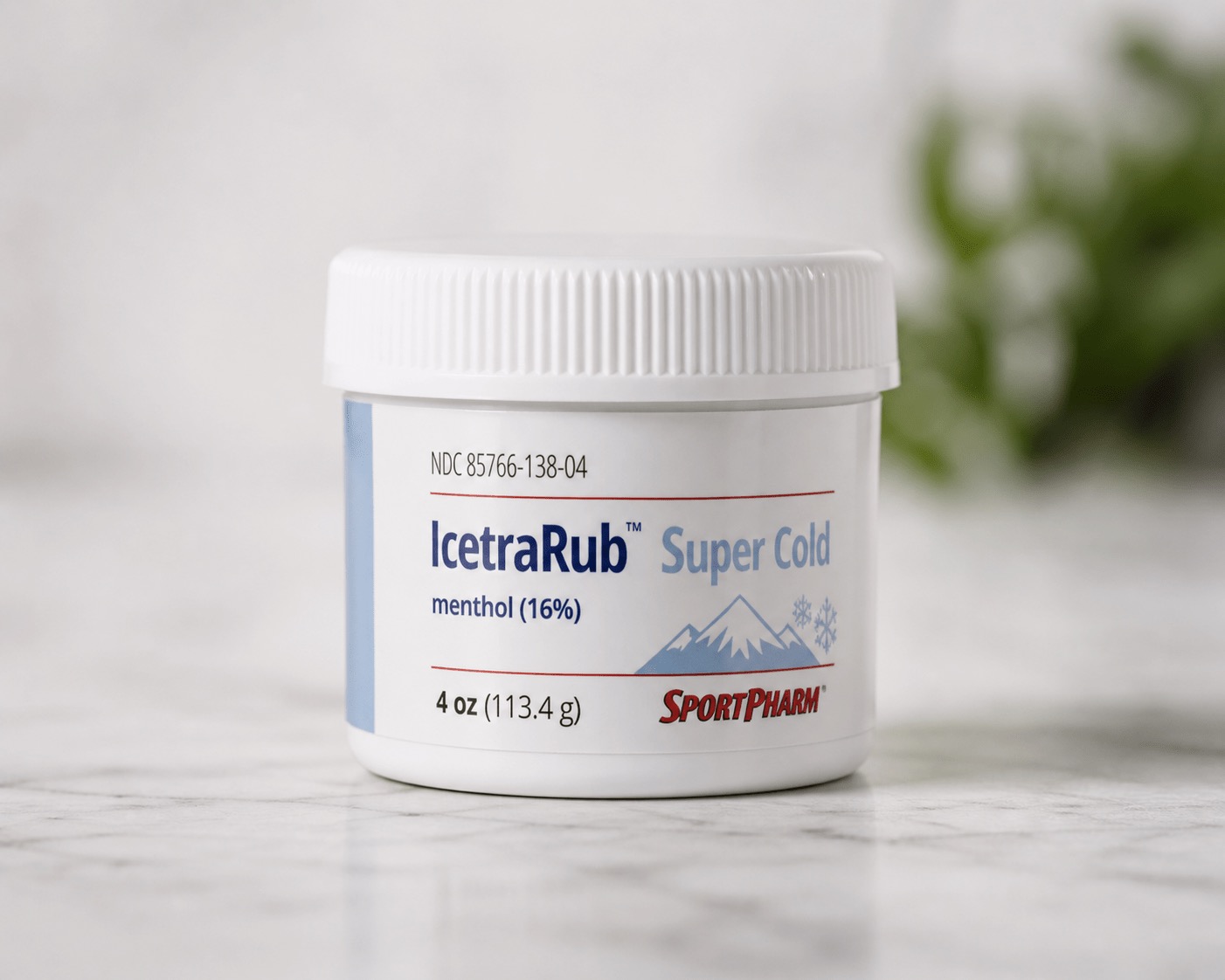
In summer, recovery often benefits from a cooling approach rather than heat. Topical menthol provides a cooling sensation by altering blood flow to the skin, and can reduce sweat rates in athletes. In one study, this effect increased running performance in hot and humid climates by up to 6%.
Researchers in Scotland compared a topical menthol gel, a placebo gel, and ice across 20 healthy men. The menthol gel increased blood flow near the skin while lowering both skin and muscle temperature, and created a cooling sensation lasting up to 80 minutes — longer than either ice or the placebo.
4. Maintain a Cool Environment
- Using air conditioning or fans
- Taking breaks indoors after prolonged outdoor activity
- Allowing the body to cool down before resuming activity
- Wearing lightweight, breathable clothing
- Using cooling towels, cold showers, or ice packs after training
- Keeping bedrooms cool at night to support better sleep and recovery
5. Build Recovery into Your Routine
Consistent recovery is essential for long-term performance and injury prevention. For most people, scheduling at least one rest day per week is a simple and effective way to reduce overuse. Incorporating lower-intensity practices like stretching, walking, or yoga supports both physical and mental recovery.
Ice and Heat Therapy: A Practical Approach
Cold therapy, including ice and cooling topicals, is most effective when applied immediately post-workout to reduce inflammation and discomfort, or later in the day if soreness or swelling develops.
Heat therapy may be beneficial for general muscle relaxation. Heat usually fits better when the area feels tight, stiff, achy or restricted, but not visibly swollen.
As a rule of thumb: cold after activity or injury to reduce swelling and discomfort, heat for stiffness or muscle relaxation.
Cooling relief when the heat is on
Pure cooling menthol for fast, targeted relief after a hot summer session.
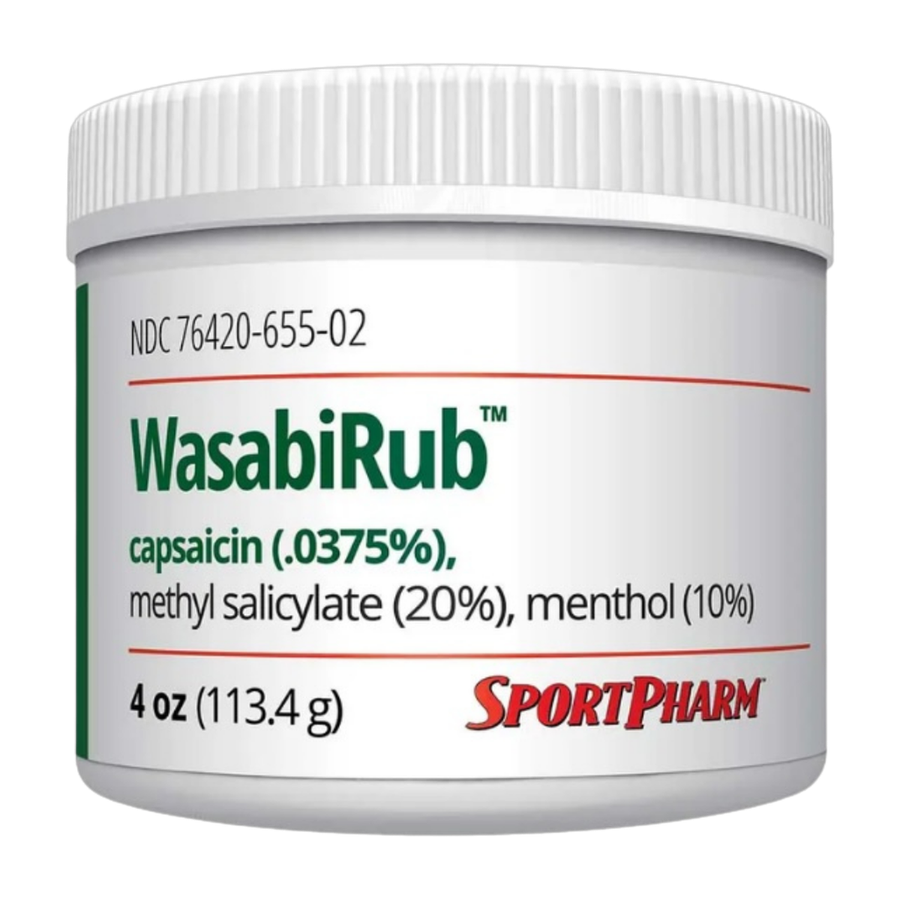
Shop WasabiRub Super Cold