Scroll through social media for five minutes, and you'll probably come across dozens of recovery recommendations. Ice baths, supplements, hydration products, energy drinks, recovery powders, sleep hacks, the list goes on. While some of these tools can be helpful, recovery isn't about following every trend that pops up on your feed.
Sports medicine professionals take a different approach. Instead of chasing quick fixes, they focus on helping athletes recover safely, effectively, and with purpose.
Recovery Starts with the Basics
Before talking about supplements, sports medicine professionals usually focus on the basics. Good sleep, staying hydrated, eating well, managing training, and handling stress all have a big impact on how well an athlete recovers.
No supplement can make up for poor sleep, bad nutrition, or not drinking enough water. This is often one of the biggest misconceptions athletes have today. Recovery isn't built on a supplement stack; it's built on consistent habits.
In a 2024 study, Sleep Patterns During Pre-Competition Training Phase: A Comparison Between Male and Female Collegiate Swimmers, swimmers who extended their sleep to 10 hours showed significant performance improvements — faster reaction times off diving blocks, improved turn times, increased kick strokes, and faster 15-metre sprints, alongside improved mood and decreased daytime fatigue.
The Myth That More Supplements Mean Better Results
Many athletes assume that if one supplement helps, then taking several must be even better. Unfortunately, recovery doesn't work that way. Every product should serve a specific purpose and align with an athlete's individual goals. The focus should always be on identifying the goal first.
- Is the athlete trying to improve hydration?
- Support recovery after training?
- Maintain muscle during a heavy training block?
What Does a Sports Pharmacist Actually Do?
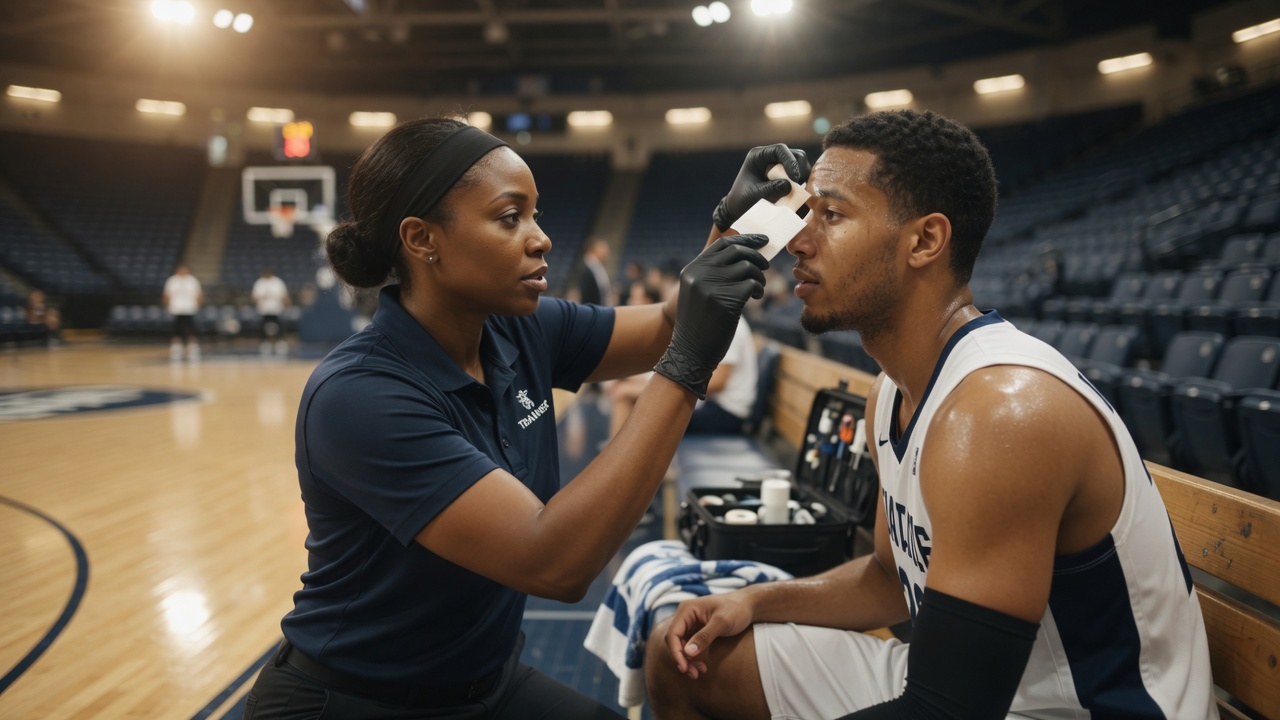
When people think of pharmacists, they often picture someone dispensing prescriptions at a counter. Sports pharmacists play a much broader role in athlete health and performance — evaluating supplements, reviewing potential interactions between medications and recovery products, spotting ingredients that could impact performance, and providing education on evidence-based recovery strategies. They work alongside athletic trainers, dietitians, physicians, and strength coaches.
Recovery isn’t about chasing the next trend; it’s about alignment. Your training, nutrition, medications, and supplements should all work together to support your performance goals.
— Dr. Brandon K. Welch, Clinical Sports Pharmacist
Staying Hydrated During Training and Competition
Staying hydrated means more than just drinking water. Electrolytes are minerals that help regulate hydration, support muscle function, and keep nerve signals firing properly. Because athletes lose significant amounts of these minerals through sweat, particularly sodium and chloride, replacing them during and after exercise is essential.
To some extent, plain water is not always the best — drinking too much water can dilute electrolytes, as it does not replace electrolytes lost through sweat. The goal is to maintain balance.
— Gabrielle Judd, M.S., R.D., C.I.S.S.N., Johns Hopkins Bayview Medical Center
Supporting Energy and Fighting Fatigue
When athletes start feeling run down, sports medicine professionals don't immediately reach for an energy supplement. The first questions are usually about sleep quality, nutrition, hydration, recovery habits, and overall training load.
It’s important for everyone to make sure they’re getting enough nutrition to meet their body’s basic needs. But it’s even more important for people who exercise or lead very active lives.
— Olivia Morgan, RD, Mass General Brigham
Why Athletes Shouldn’t Self-Experiment
Social media can be a great source of ideas, but it rarely provides individualized guidance. Athletes may combine multiple products, miss overlapping ingredients, or use supplements to compensate for poor recovery habits. Before adding a new product, athletes should ask themselves a few important questions:
- What is my goal?
- Is this product evidence-based?
- Is it third-party tested?
- Could it interact with medications I’m taking?
- Have I discussed it with a healthcare professional?
Recovery Is a Team Effort
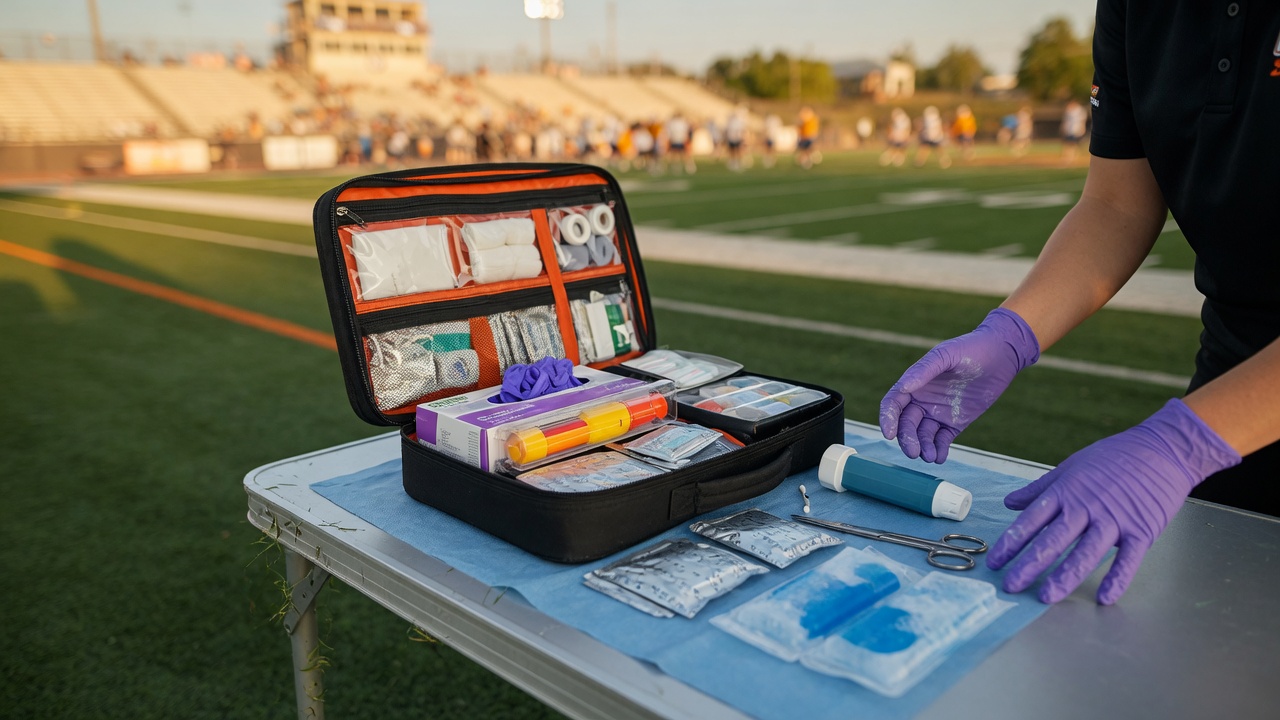
Recovery isn't about chasing every new trend. It's about building a strong foundation through sleep, hydration, nutrition, stress management, and smart training habits. Once those pieces are in place, evidence-based tools can help support specific goals.
Recovery begins with having the right team and tools. Reach out to SportPharm to see how a sports pharmacist can help your recovery plan.
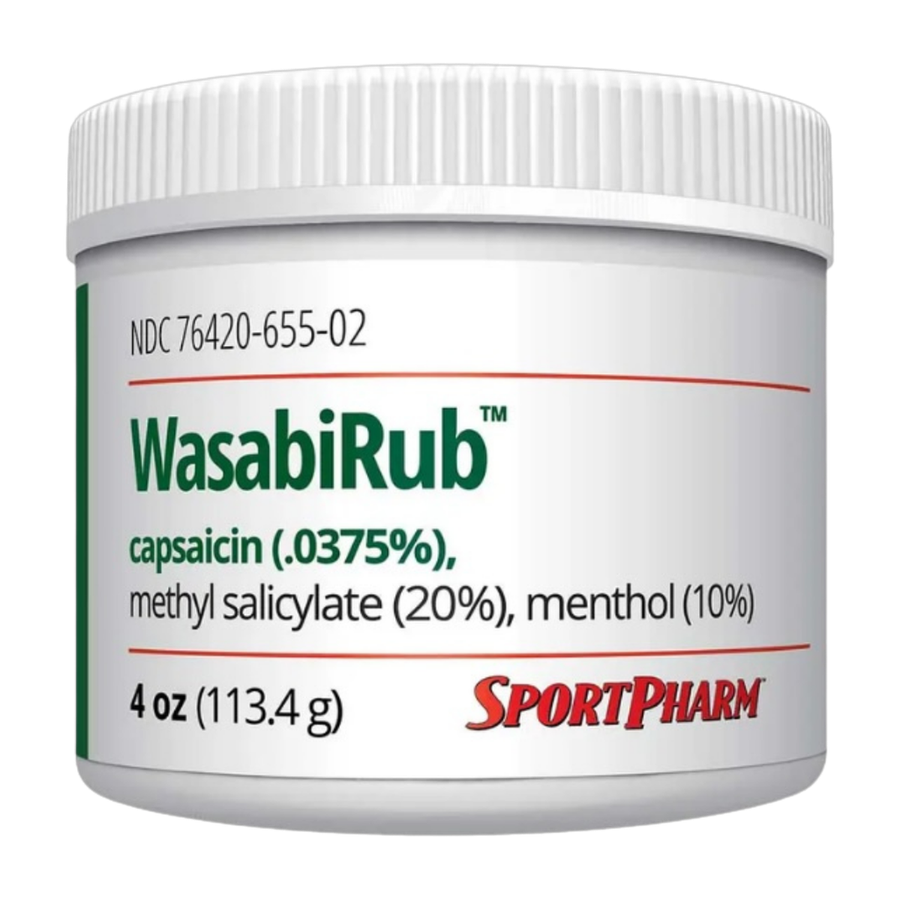
Relief you can feel
Three sensations, one pharmacist-formulated rub — targeted relief for the muscles and joints that keep you moving.
Shop WasabiRub