The workout is on your calendar. Your motivation is there. One body part, however, is sending a different message.
There is no universal pain score that makes the decision for you. A better approach is to consider the sensation, your function, the activity, and the consequences of being wrong.
Stop now when the risk is clear
End the session and seek appropriate care when pain follows a serious injury or comes with a visible deformity, inability to bear weight, loss of movement or feeling, severe swelling, chest pain, trouble breathing, fainting, or profound weakness.
After a bump, blow, or jolt to the head, stop sports participation if a concussion is possible. Worsening headache, repeated vomiting, seizure, unusual confusion, slurred speech, weakness or numbness, decreased coordination, unequal pupils, or difficulty waking require emergency evaluation.
Do not “finish the set” to gather more evidence.
Modify when the signal is uncertain
If there are no urgent warning signs, ask:
- Is the discomfort mild and stable, or sharp and increasing?
- Can I perform the movement normally, without limping, bracing, twisting, or shifting the load?
- Does an easier version feel meaningfully better?
- Is this new, or is it the return of a repeated problem?
- Would continuing make a fall, dropped weight, collision, or loss of control more likely?
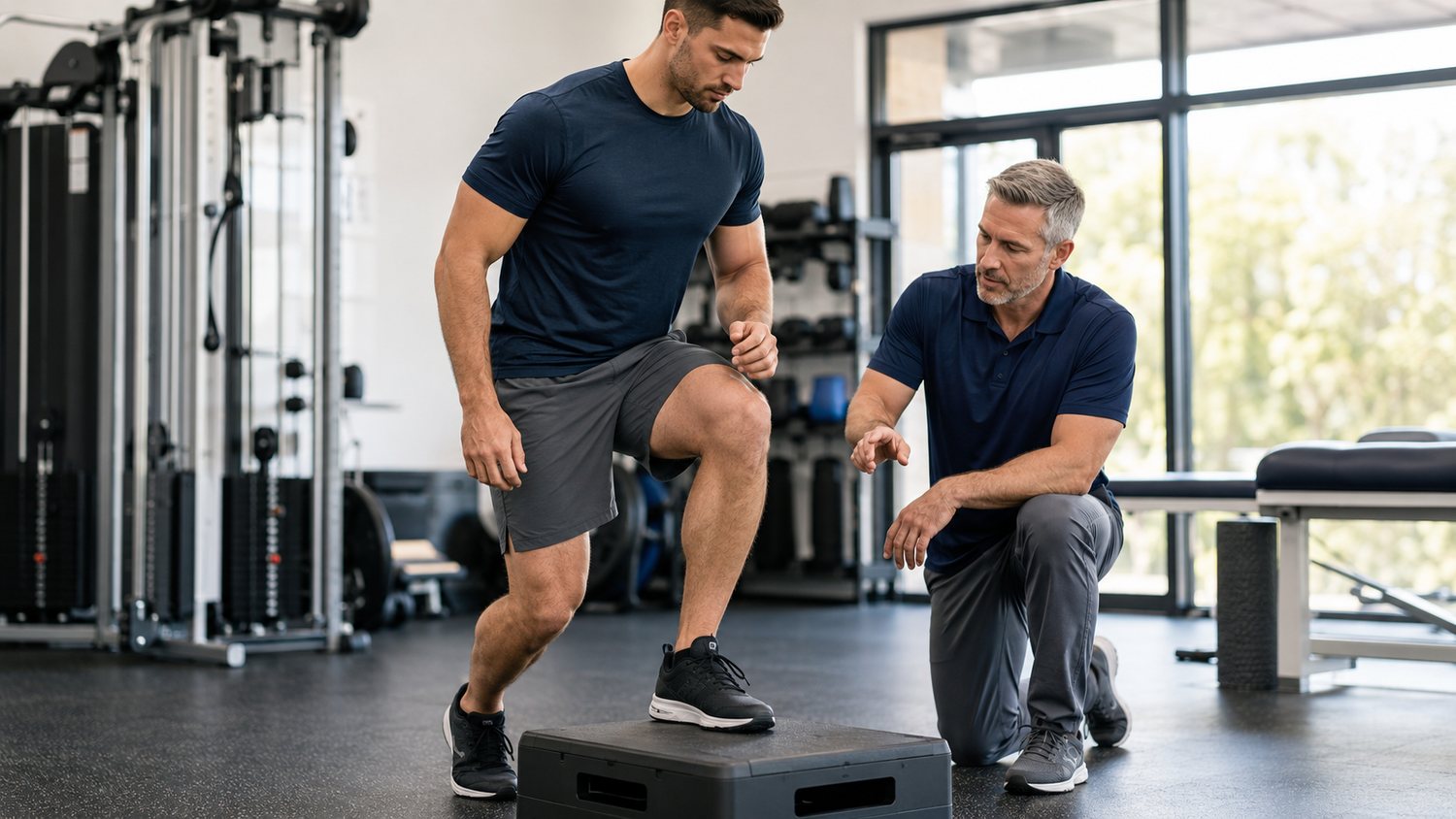
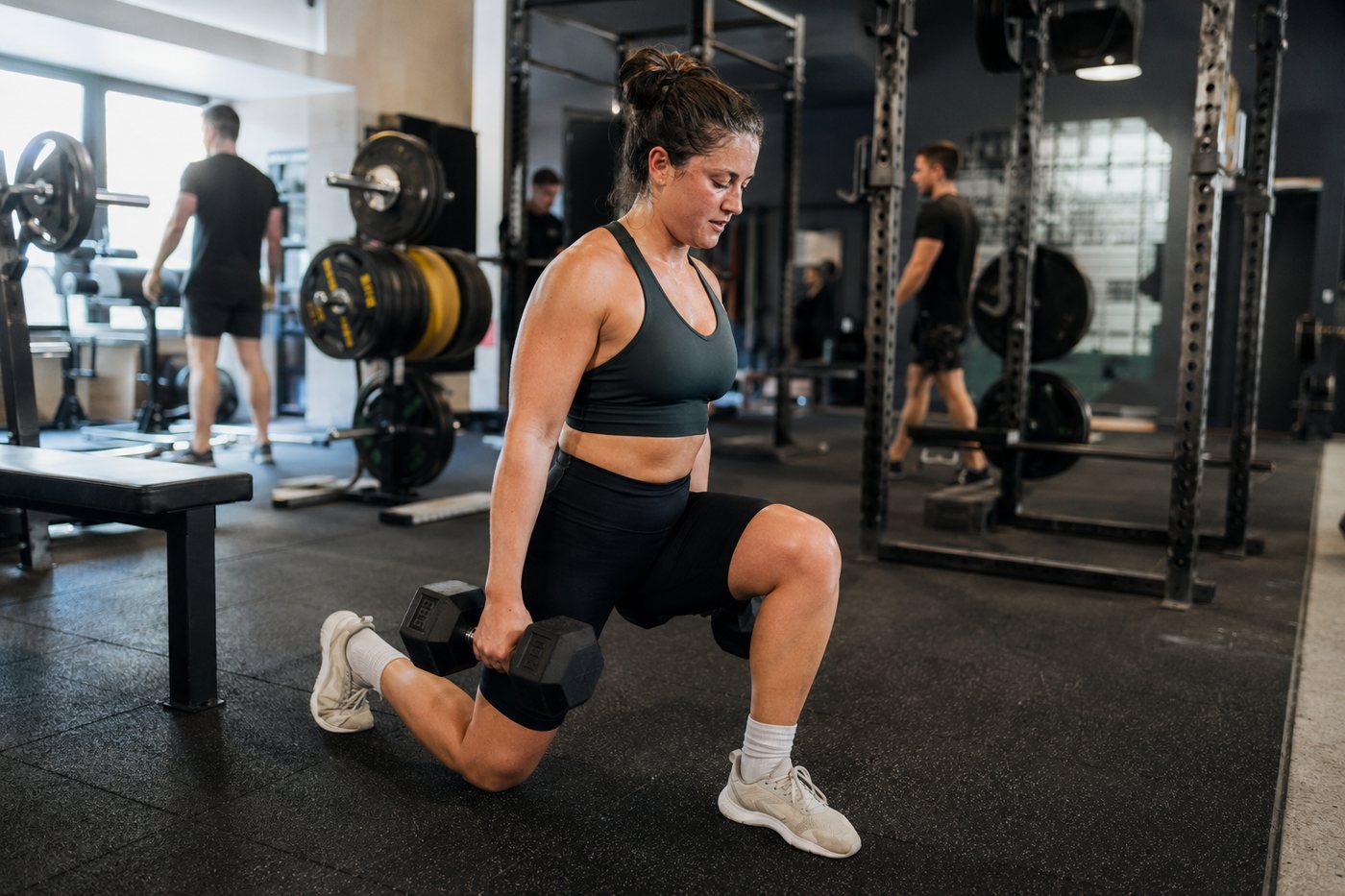
If the answers are unclear, lower the stakes. Reduce the load, range, speed, duration, or impact. Substitute a comfortable movement or train another area. Reassess after the warm-up and again after the session.
Stop if symptoms intensify, become sharp, spread, or change your mechanics.
Continuing should be a decision—not a default
Mild stiffness that improves as you warm up is a different scenario from pain that increases with every repetition. Even when continuing is reasonable, the workout may need to become a test of tolerance rather than a performance day.
Use three checkpoints:
- During: Symptoms remain mild and movement remains normal.
- Immediately after: The area has not become notably worse.
- Later and the next day: Symptoms return to baseline rather than escalating.
If a modified session repeatedly fails one of those checks, the plan needs more than determination.
Pain relief is not one size fits all
Pain-relief products may have a role for some people, but relief does not establish that an activity is safe. Oral medicines and topical products differ in ingredients, precautions, and appropriate use.
Read the Drug Facts label and do not combine products with the same active ingredient. Certain health conditions and other medicines can change what is safe. A pharmacist can help you compare options and identify interactions.
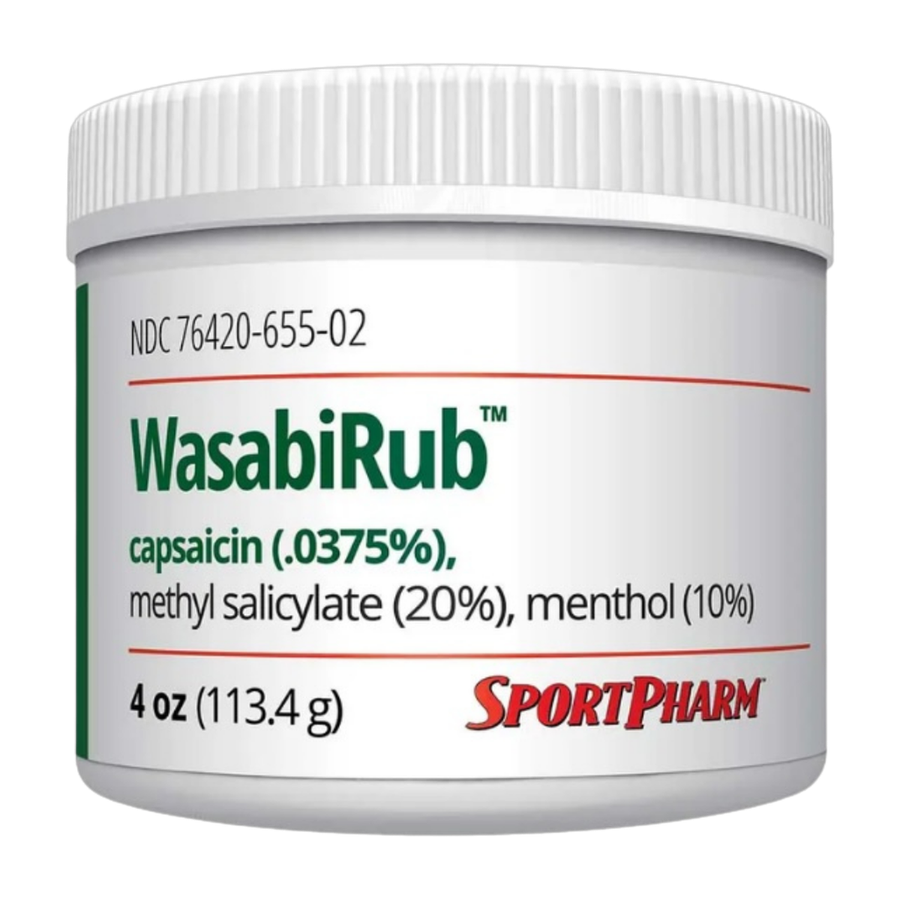
For localized muscle aches or soreness, some athletes may consider a topical option such as WasabiRub. Use it only as directed, avoid broken or irritated skin, and stop if a reaction occurs. Do not apply a topical product to numb a warning sign so you can force a workout.
Suggested product CTA: Explore WasabiRub and read the full label.
Bottom line
When the signal is mild and stable, an easier version of the workout may be reasonable. When pain is sharp, worsening, destabilizing, or changing the way you move, stop. When the consequences of guessing are high, get qualified help.
Continue your pathway
- Need concrete substitutions? Read What Does Modifying a Workout Look Like?
- Pain is recurring? Read Why Does the Same Pain Keep Coming Back?
- Unsure who to contact? Read When Is It Time to Get an Injury Checked?
FAQ
Is it okay to exercise with mild pain?
Sometimes, but “mild” is only one factor. The sensation should not worsen, alter your movement, or create additional risk. When in doubt, reduce the demand and monitor the response.
Should I take a pain reliever before working out?
Do not use pain relief simply to hide symptoms and complete a workout. Ask a pharmacist or healthcare professional whether a product is appropriate for you, and always follow the label.
What pain means I should stop exercising?
Stop for sharp or rapidly worsening pain, loss of normal function, weakness, instability, numbness, concerning symptoms after a head impact, or any emergency warning sign.
Editorial sources
- [MedlinePlus: How to avoid exercise injuries](https://medlineplus.gov/ency/patientinstructions/000859.htm)
- [CDC HEADS UP: Responding to a Sports-related Concussion](https://www.cdc.gov/heads-up/response/index.html)
- [CDC HEADS UP: Concussion Signs and Symptoms](https://www.cdc.gov/heads-up/signs-symptoms/index.html)
- [FDA: Using OTC pain relievers safely](https://www.fda.gov/drugs/safe-use-over-counter-pain-relievers-and-fever-reducers/best-way-take-your-over-counter-pain-reliever-seriously-four-panel-brochure)