Athletes are taught to tolerate effort. That skill can help during the final climb, the last mile, or the last repetition. It becomes less useful when every signal is treated as an obstacle to ignore.
Effort and pain are not interchangeable. Neither are toughness and recovery.
The problem with “no pain, no gain”
Hard exercise can create burning muscles, heavy breathing, fatigue, and temporary discomfort. Those sensations are connected to exertion and usually settle when the effort ends.
An injury warning can feel different: sharp, sudden, localized, unstable, or progressively worse. It may change how you move or continue after the session. The line is not always obvious, which is precisely why “always push through” is a poor rule.
It replaces observation with identity. Instead of asking what the body needs, the athlete asks whether stopping makes them weak.
Pushing through can hide the pattern
Pain often changes movement before it stops movement. You shorten a stride, shift a squat, protect one shoulder, or ask another area to take more load. The workout may technically continue, but it is no longer the workout you planned.
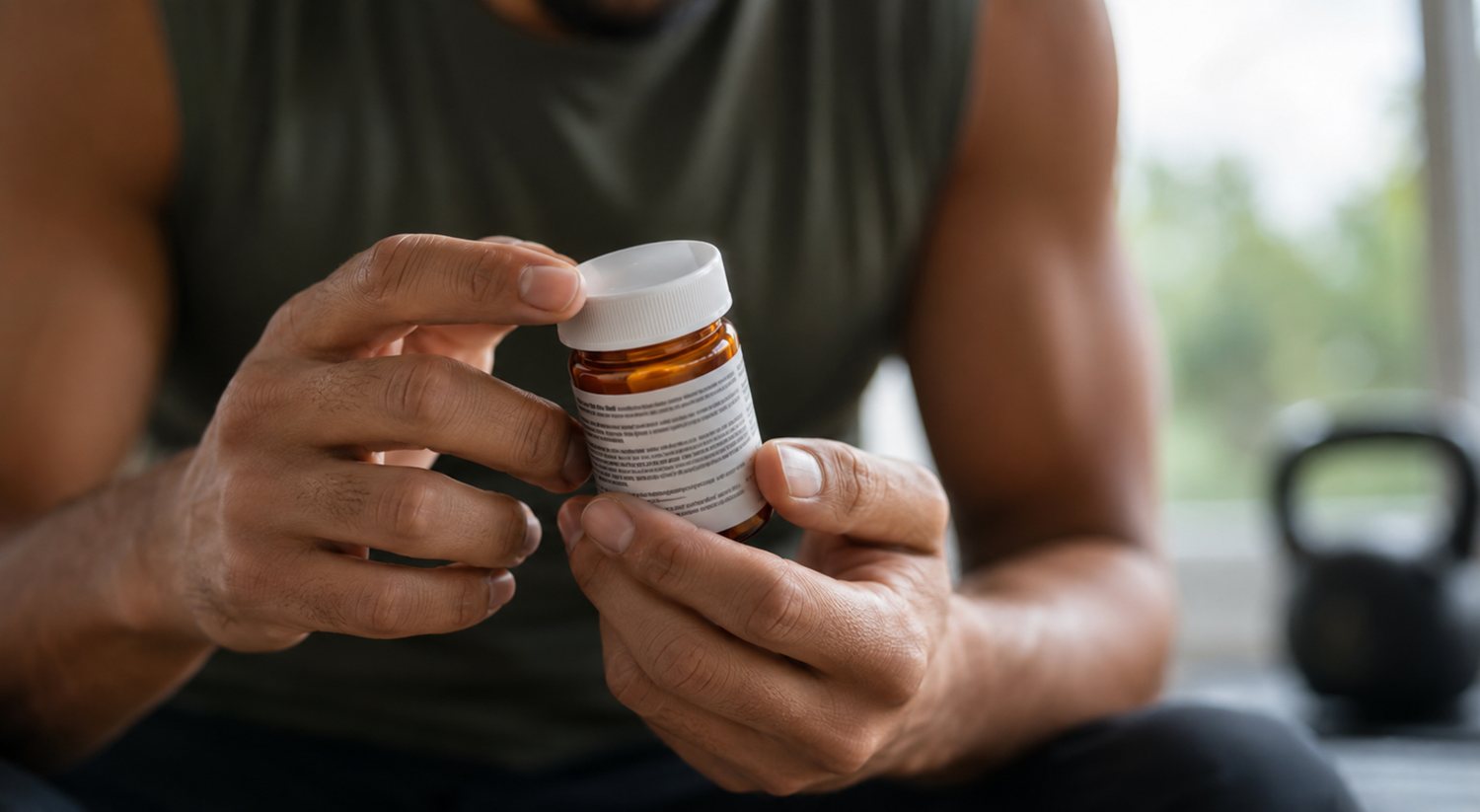
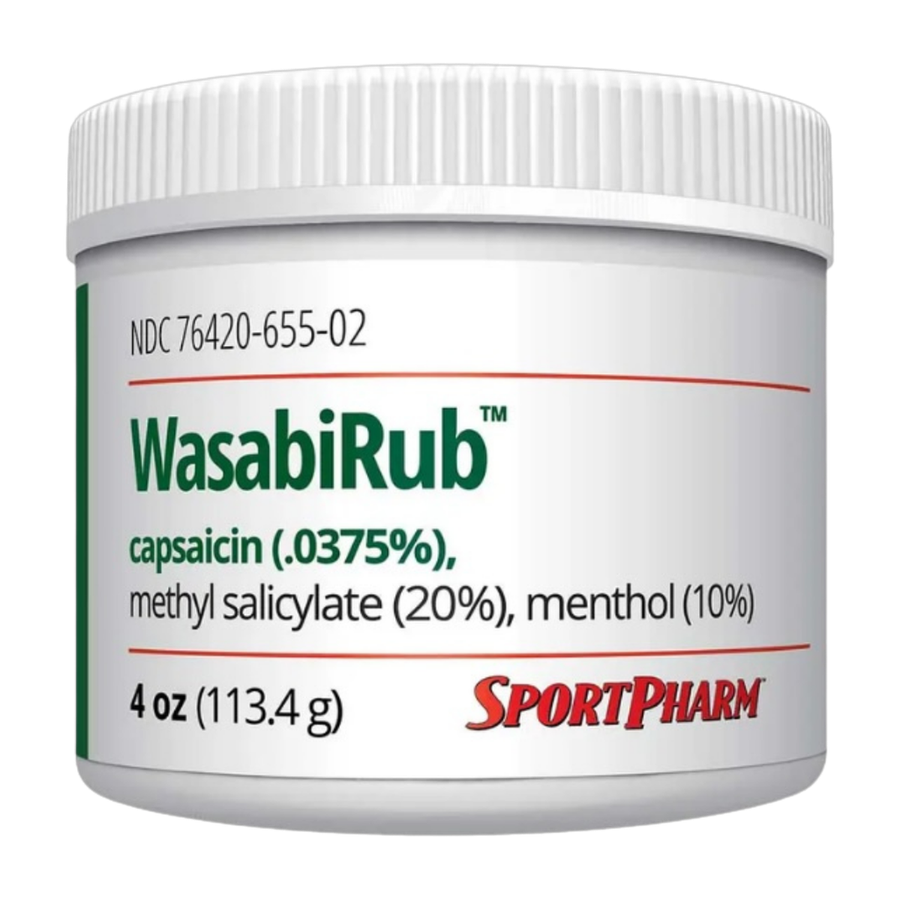
Pain relievers can also change what you feel without changing what the tissue can tolerate. That does not make all pain relief inappropriate. It means symptom relief and readiness to train are separate decisions.
Recovery is an active process
A recovery plan answers four questions:
- What currently increases the symptoms?
- What activity can I do without making the pattern worse?
- How will I rebuild the missing capacity?
- What signs tell me to progress, hold, or get help?
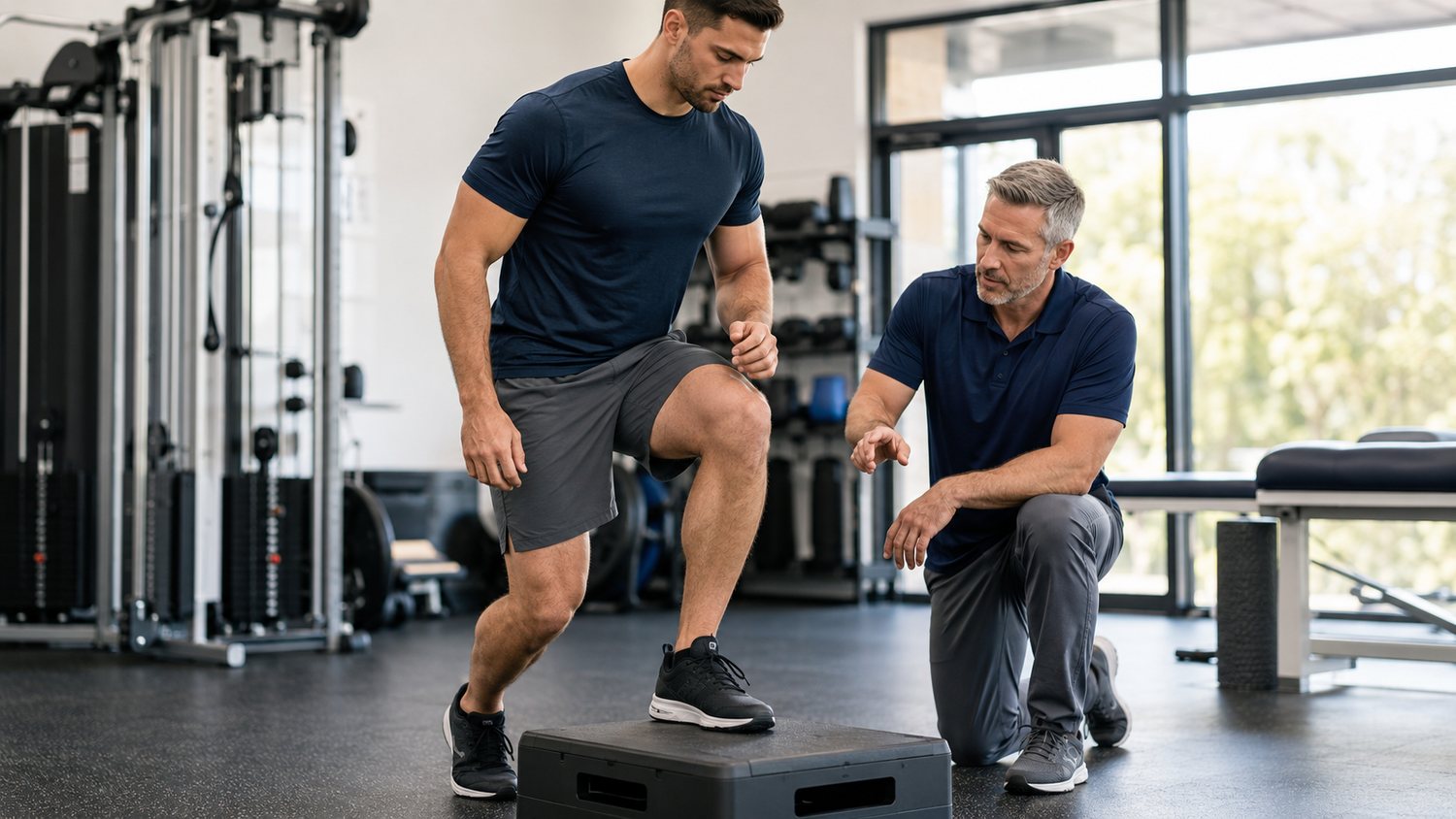
That plan may include temporary load reduction, movement substitutions, sleep and nutrition priorities, progressive strengthening, technique changes, or professional assessment. It should evolve according to response rather than a fixed date or a motivational slogan.
Consistency sometimes means changing the session
Everyday athletes often fear that one modified workout will erase their progress. In reality, sustainable training depends on making good decisions repeatedly.
Examples of productive changes include:
- replacing hard intervals with easy cycling;
- using a supported variation instead of an unstable one;
- reducing weight and slowing the movement;
- cutting the session before form deteriorates;
- training a different area;
- taking a recovery day and scheduling an assessment.
These are not automatic treatments for an injury. They are ways to reduce unnecessary exposure while you decide what the problem needs.
Replace the slogan
Try this instead:
Do not prove that you can tolerate today’s pain at the expense of tomorrow’s options.
Athletic confidence does not come only from completing the original plan. It also comes from knowing how to adapt without abandoning your goals.
Bottom line
Pushing through is a performance tactic, not a recovery strategy. When pain is changing, recurring, or altering movement, the productive choice is to reduce uncertainty: modify the demand, monitor the response, and involve the right professional when needed.
Continue your pathway
- Make today’s plan safer with What Does Modifying a Workout Look Like?
- Understand a repeat pattern with Why Does the Same Pain Keep Coming Back?
- Decide whether to seek care with When Is It Time to Get an Injury Checked?
FAQ
Is “no pain, no gain” good advice?
No. Challenging exercise can be uncomfortable, but pain during exercise can be a reason to stop or modify. A slogan cannot distinguish exertion from a warning sign.
Will taking a few days off ruin my progress?
A short adjustment is unlikely to erase long-term fitness. The appropriate amount of rest or modification depends on the situation, and persistent or significant symptoms should be assessed.
How do athletes stay consistent while recovering?
They define consistency more broadly: maintaining safe activity where possible, addressing contributing factors, and rebuilding capacity progressively instead of repeatedly provoking the same symptoms.
Editorial sources
- [MedlinePlus: How to avoid exercise injuries](https://medlineplus.gov/ency/patientinstructions/000859.htm)
- [AAOS: Hip Strains](https://orthoinfo.aaos.org/diseases--conditions/hip-strains/)
- [AAOS: Foot and Ankle Conditioning Program](https://orthoinfo.aaos.org/en/recovery/foot-and-ankle-conditioning-program/)